To the Edge and Back
 Grace Sylvester · July 11, 2026 · 10 min read
The Latest Research about Near-Death Experiences
We’ve all heard near-death experience (NDE) accounts. But what does the latest research say about them? Are they trauma responses, dreams, or drug side effects? Something more?
Let’s start with why NDEs only recently began appearing in mainstream culture and medical literature.
Resuscitation and Medical Advances
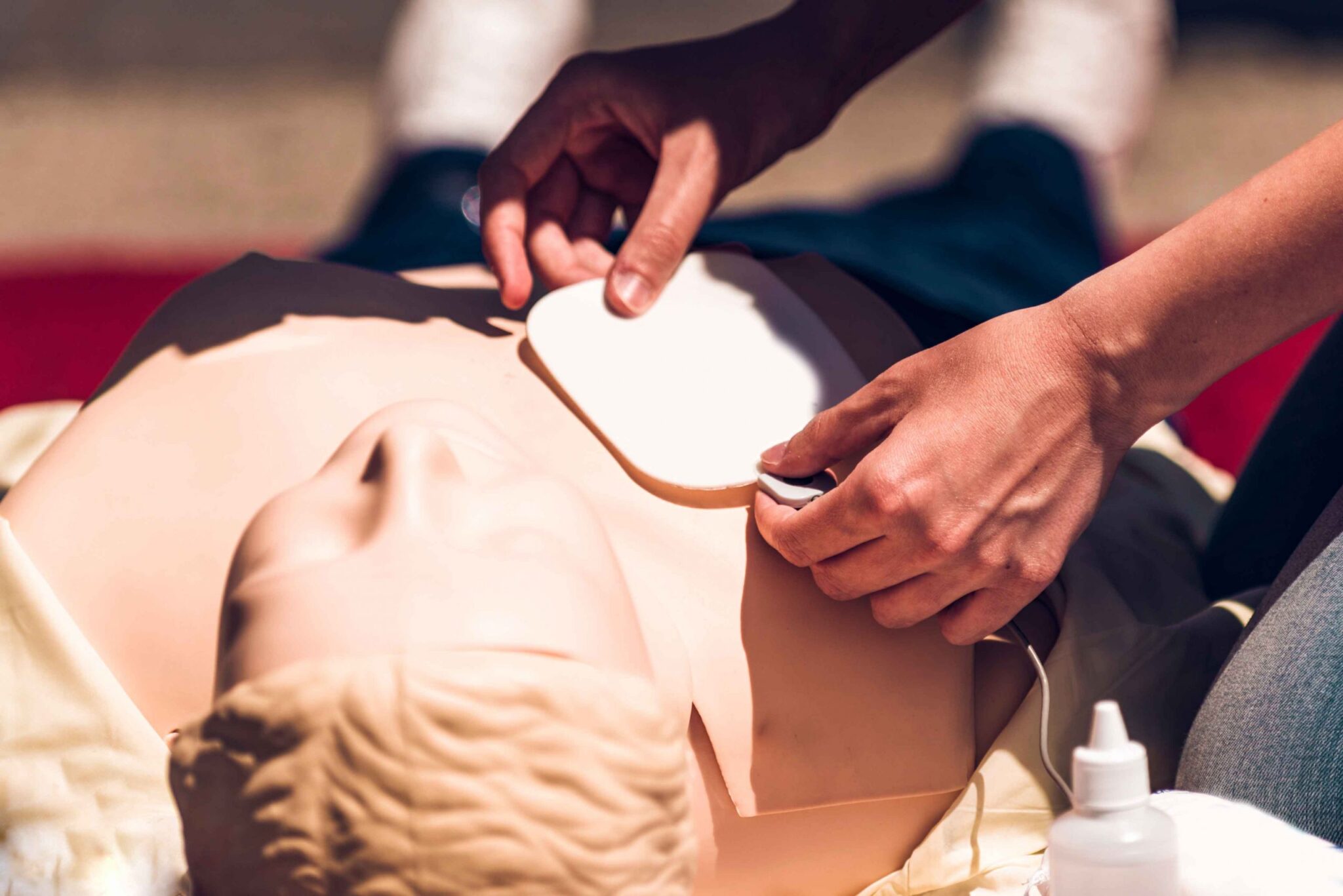
Before the 1960s, cardiac arrest meant death; hardly anyone survived it. The introduction of CPR and portable defibrillators (AEDs) changed that.
According to a 2010 study by Johns Hopkins University, cardiac event patients who received an EMS response had an overall survival rate of 7%, and this jumped to 38% for those who received an AED shock before EMS arrived. Since the 1960s, an estimated 2 to 3 million people (in the US alone) have been “brought back” from a cardiac arrest.
CPR also brought many drowning victims back to life. Rescue breaths and chest compressions increased the survival rate to 5–90%, depending on the amount of time under water. Pre-CPR survival chances were nearly 0%, like cardiac arrest.
Other advances around this time—ventilators, the 911 system, new sepsis therapies, and norepinephrine—resulted in even more patients returning from clinical death.
Near-Death Experiences
Medical resuscitation is new; just 65 years ago, “clinical death” and death-death were the same. When people’s hearts were “re-starting” after stopping, many were returning with vivid, other-worldly experiences.
Patients have reported floating above their bodies, traveling through tunnels of light, encountering deceased loved ones, and experiencing a profound sense of peace and understanding. These NDE accounts are now widely distributed and discussed, but that wasn’t always the case.
For a while, very few people shared their NDEs; there was no name for the phenomena, and they had no way of knowing that other people had similar experiences. Many later reported worrying how they’d be perceived.
This hesitancy made NDE reports rare at first. Those who did tell their doctors were often told it was a dying-brain response, medication side effect, or dream.
That changed in 1975, when Dr. Raymond Moody (pictured below) published Life After Life, a collection of NDEs.
The book was an instant sensation. People who’d had NDEs earlier felt comfortable sharing their stories for the first time, and the accounts kept coming. Now millions exist.
Eventually, the medical community began paying attention. Doctors and nurses now receive NDE response training, and many scientific studies have examined the phenomenon. There is no medical consensus on the cause or implications, but they are widely accepted as authentic experiences.
Modern NDE Research
Recent NDE research includes prospective studies (following patients in real-time), retrospective surveys (looking back over prior incidents), and even studies involving brain-imaging. Notable ones include:
-
The AWARE Study
The largest of its kind, tracking over 2,000 cardiac arrest patients across multiple countries.
-
Pim van Lommel
A study involving 344 consecutive cardiac arrest patients across 10 hospitals.
-
Dr. Bruce Greyson
Analysis of over 1,000 cases and the development of a standardized scale to measure NDEs.
-
Dr. Jeffrey Long
Rigorous survey-based research across multiple books and his Near-Death Experience Research Foundation, with thousands of verified public accounts.
-
Neuroscience
EEG recordings during cardiac arrest and studies on dying brains showing surges in activity.
Types of studies range from qualitative interviews (people describing their stories) to quantitative analyses comparing NDEs to hallucinations, dreams, or drugs. Researchers control for cultural bias by surveying diverse populations, and some use virtual reality to simulate elements like out-of-body experiences and test their effects.
What The Science Says (and Can’t Say)
NDEs are reported in about 10–20% of cardiac arrest and other “clinical death” situations. They’re not hallucinations in the classic sense; experiencers report heightened clarity and awareness, not confusion.
The experience has a profound impact on the experiencer’s life and worldview—many describe it as “more real” than everyday life.
The Chemistry
Brain science offers partial explanations: oxygen deprivation, surges in neurotransmitters like serotonin and noradrenaline, and disinhibition of certain brain regions can produce vivid perceptions.
A 2024 University of Michigan study found surges of activity in dying brains, hinting at why these moments feel so intense.
The Veridical Problem
Some aspects can’t be explained chemically. Veridical elements are accurate perceptions during clinical death—like describing surgical tools or conversations while unconscious.
In 1991, Pam Reynolds underwent brain surgery involving induced cardiac arrest and hypothermia (flatlining her brain and blocking all senses), yet later accurately recalled operating-room details, tools, and conversations the surgeon verified. Her case is explored later.
Science confidently says NDEs are consistent, transformative, and not mere hallucination or dream—challenging materialistic models of consciousness tied strictly to a functioning brain. Beyond that? Science can’t, and likely won’t ever, say. Consciousness is infamously hard to study, because it is experiential, personal, and evidently active while the brain is not.
Common Attributes of NDEs
From Jeffrey Long’s 1,300-case review, in order of most to least common.
- Intense emotions, usually very positive, occasionally very negative76%
- Out-of-body experience75%
- Heightened awareness (“more real”)74%
- Extremely bright, attractive light65%
- Feeling a unique sense (or no sense) of time or space61%
- Experiencing a return to the body59%
- Encountering spiritual beings or deceased loved ones57%
- Gaining special knowledge56%
- Visiting a supernatural place like heaven or hell52%
- Traveling through a tunnel or vortex34%
- Reaching a boundary between life and death, a point of no return31%
- “Life review,” often while “feeling it” through others22%
Three Verified Cases
The Blind Woman
The Standstill Surgery
The Missing Dentures
The Blind Woman
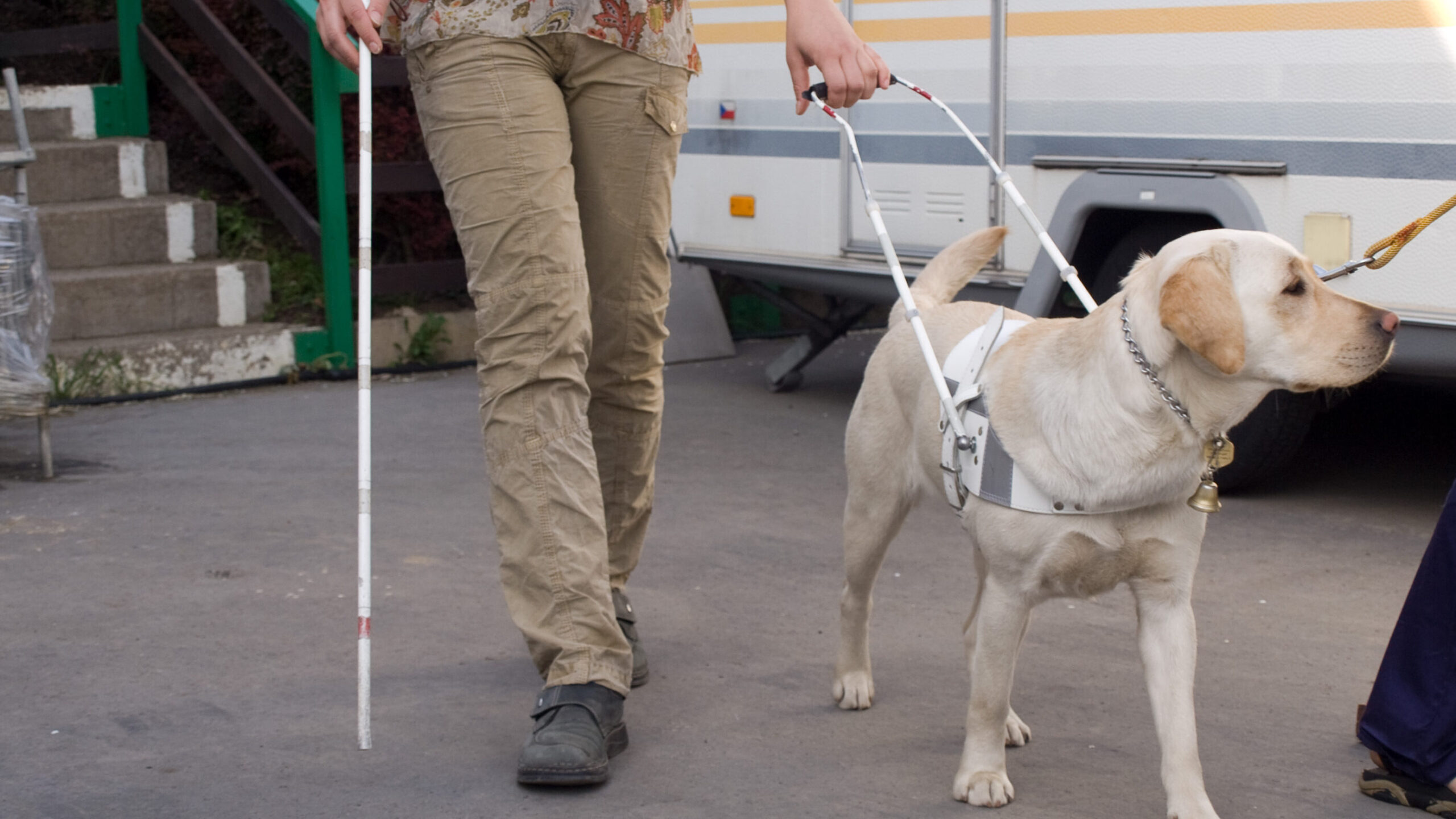
Psychiatrist Brian Weiss, former chairman of psychiatry at a major hospital, documented the case of an elderly woman who had been blind from birth due to optic nerve damage and suffered a cardiac arrest in the hospital.
During resuscitation, she reported floating out of her body and watching the medical team work on her from above—describing specific actions, the appearance of the room, and even details of the equipment and people involved.
What makes it remarkable is that she had never experienced visual sight in her life. Yet her description during the NDE was vivid and matched the events. She also described floating near the window and observing the scene without pain. Weiss, initially skeptical, found the account consistent with other reports and hard to dismiss as hallucination, given her lifelong blindness.
Cases like this—and similar ones involving congenitally blind people reporting vision—intrigue researchers studying consciousness, as they suggest the brain might generate rich perceptual experiences even when sensory input is absent or impossible.
The Standstill Surgery
One of the most thoroughly documented and debated near-death experiences comes from Pam Reynolds (sometimes referred to as Pam Reynolds Lowery), a singer-songwriter from Atlanta.
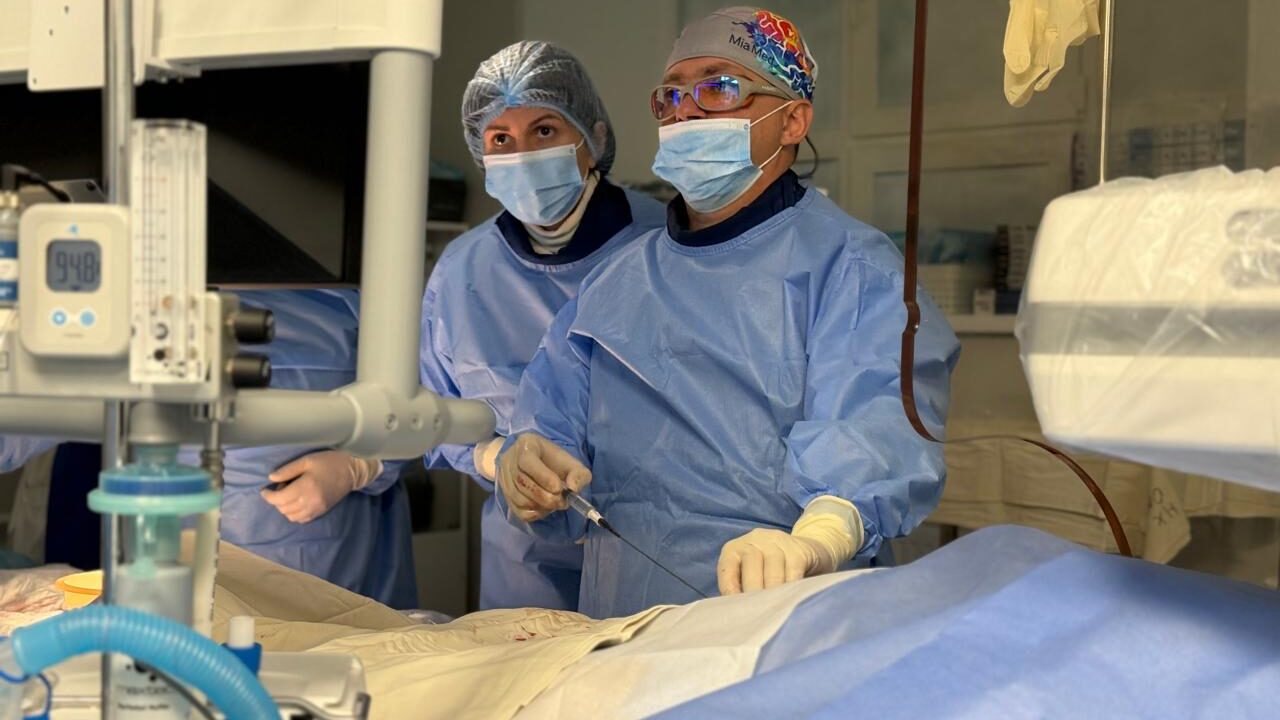
In 1991, at age 35, she underwent a highly risky brain surgery to remove a giant aneurysm near her brainstem. The procedure, known as hypothermic cardiac arrest (or “standstill”), involved cooling her body, stopping her heart and lungs, and draining the blood from her head. For a period, she was dead by standard medical measures, allowing surgeons to operate without blood flow or risk of rupture.
Her account stands out due to the verifiable details she later reported, when her senses should have been completely blocked. She described hearing a distinctive buzzing or humming sound “like a natural D” that pulled her out of her body. She then claimed to float above the surgical table and watch the procedure.
Among the specifics:
- She accurately described the unusual Midas Rex bone saw used to open her skull, a tool not present while she was conscious.
- She recounted specific conversations between the medical team, including comments about her veins being too small, which surgeons later confirmed.
- She noted details about the surgical instruments and their packaging, comparing one case to her father’s socket wrench set.
These elements were reported after she regained consciousness, and researchers like cardiologist Michael Sabom (who interviewed her and the surgical team) corroborated many of them against medical records and staff recollections.
Reynolds also described moving through a tunnel toward a bright light, encountering deceased relatives, and being told it wasn’t her time. She eventually returned to her body, which she experienced as an unpleasant jolt, like diving into ice water.
The Missing Dentures
In a major 2001 study published in The Lancet, Dutch cardiologist Pim van Lommel and colleagues followed 344 cardiac arrest survivors.
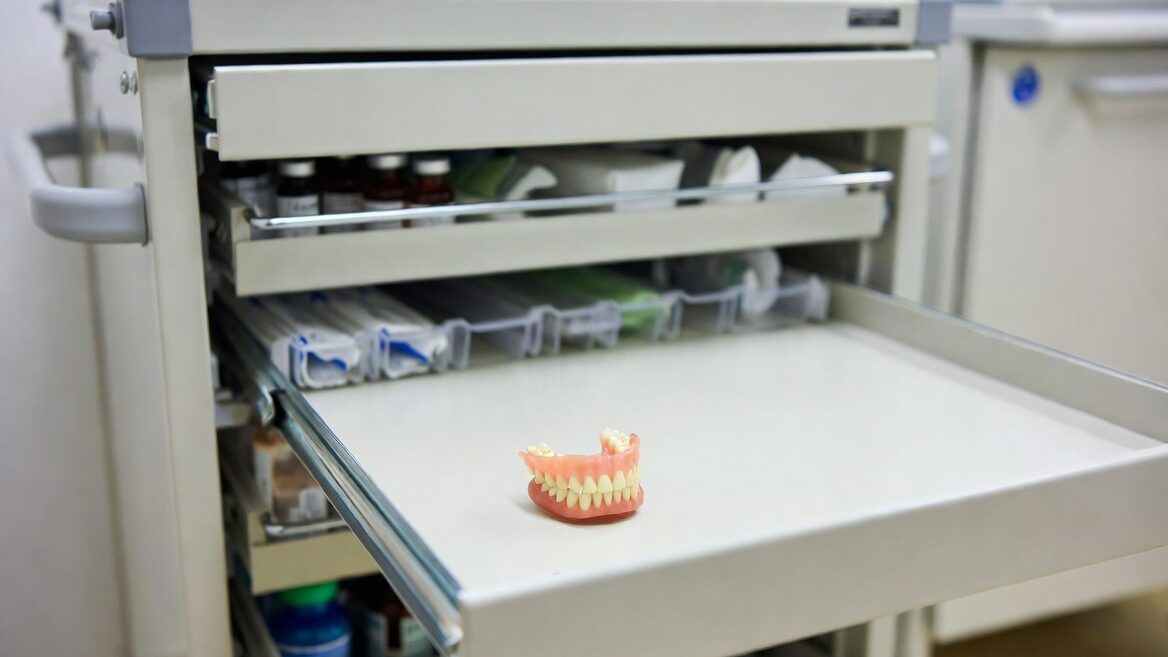
One particularly striking account involved a 44-year-old man who was brought into the hospital unconscious after a heart attack. During resuscitation, a nurse removed his dentures and placed them on a crash cart. The patient was clinically dead for a period—no detectable heartbeat or breathing.
Days later, fully recovered, the man spotted the same nurse in the hospital hallway. He immediately said something like: “You know, you took my dentures out of my mouth and put them on that cart with all the bottles on it. There was a sliding drawer underneath where you put my teeth.”
He accurately described the room, the cart, and where his dentures had been stored—details he had no normal way of knowing, as he was unconscious at the time.
This case has been investigated and corroborated by researchers, including follow-ups with the nurse involved. It’s often cited in scientific literature as an example of “veridical perception,” accurate information gained during clinical death that challenges easy explanations.
[ Placeholder — the intro, documentaries note, and resources for this article go here. ]
[ Resources slider coming soon — send the cards and I’ll drop them in. ]
Videos coming soon
[ Placeholder — send the video links for this article and I’ll embed them here. ]