The Exorcism of Roland Doe
 Grace Sylvester · June 15, 2026 · 26 min read
The True 1949 Case that Inspired The Exorcist
The True 1949 Case that Inspired The Exorcist
In early 1949, a 13-year-old boy from Cottage City, Maryland, began experiencing strange disturbances. Known publicly by the pseudonyms Roland Doe or Robbie Mannheim, he became the subject of one of the most documented exorcism cases in American history.
What really happened during the exorcism? How much of the movie aligns with the case? And whatever happened to the boy?
The following account explores these questions and more, based on the 1949 case diary, St. Louis University (whose Jesuit priests oversaw the exorcism), and witness testimony. We’ll use the name “Roland Doe” throughout.
The story starts in January 1949, with the death Roland’s beloved “Aunt Tillie.”
Tillie reportedly practiced Spiritualism, which involved seances and spirit communication. It became popular in the early 1900s and fizzled out by the 1950s, as hoaxer “mediums” became exposed. Serious practitioners also existed, with less fanfare and criticism.
We don’t know if Tillie was a medium, attended seances, or simply attempted spirit communication on her own. We just know that she practiced it, perhaps with Roland, and introduced Roland to the Oujia board.
After her passing, a grief struck Roland reportedly used Tillie’s Oujia board to try to contact her. This marks the beginning of the strange occurrences reported in the Doe home.
The Infestation
The Catholic definition of “possession” is limited to people. “Infestation” refers to alleged demonic activity in a place, object, or animal. In early January, the Doe family reported unusual and frightening events at home and at other locations where Roland was present. They started off benign (easily attributed to natural causes) and became more aggressive over time.
Here’s an abbreviated account of these events, taken directly from the exorcist’s diary:
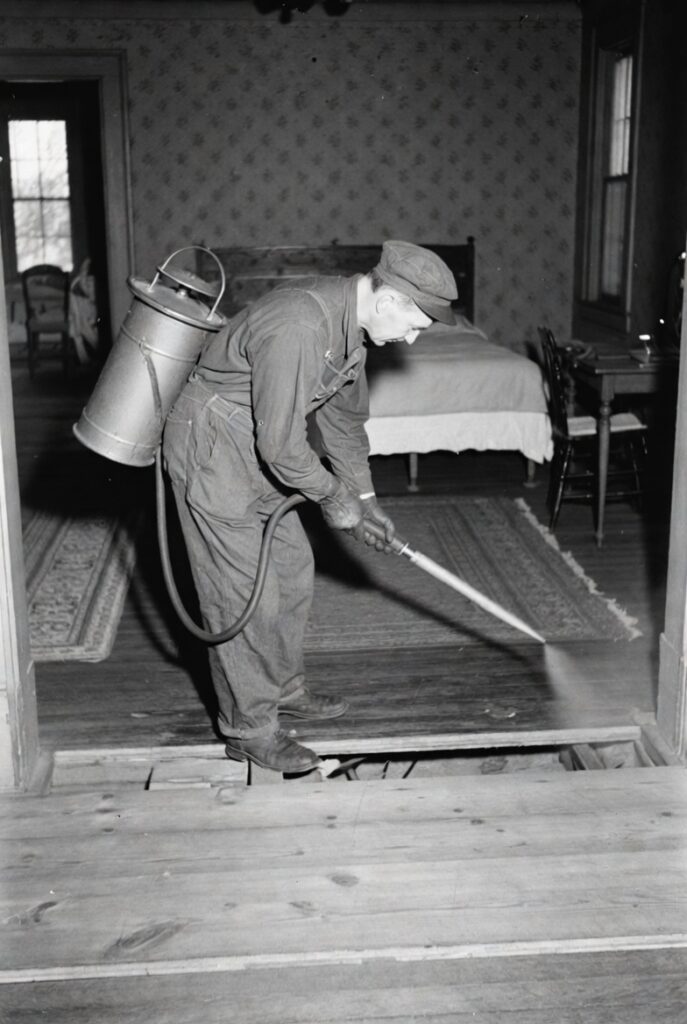
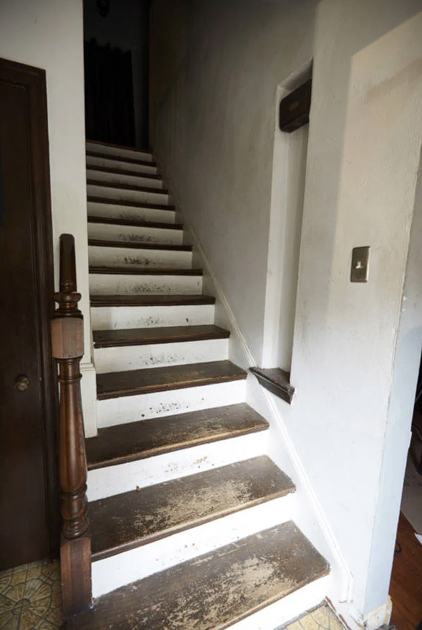
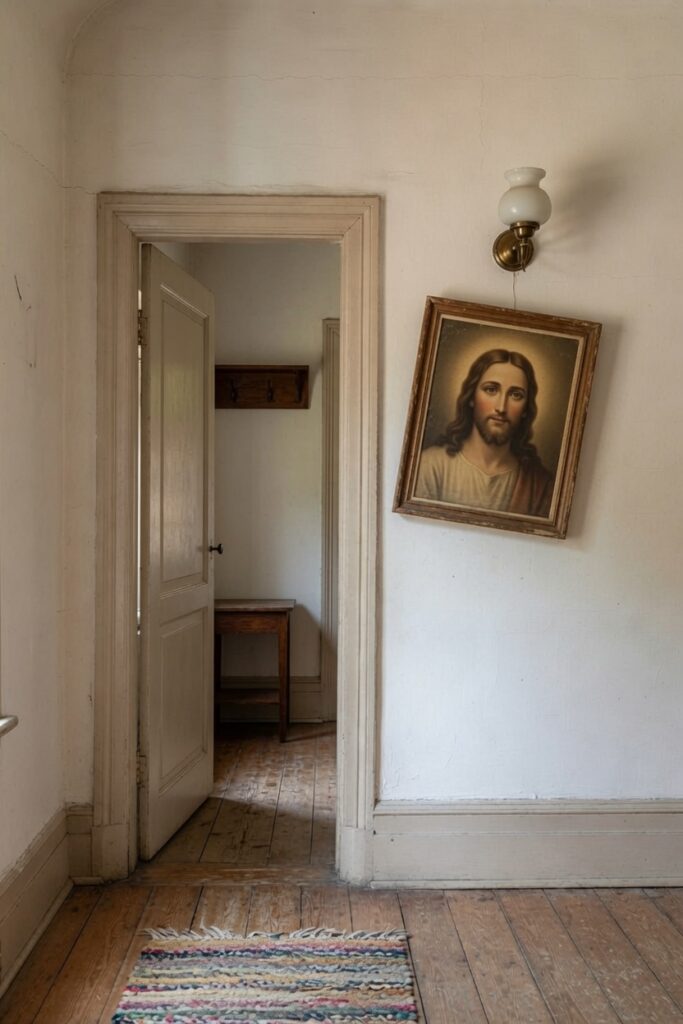
Images, including AI renderings and real photograph of the Doe home interior.
Dripping noise: the sound of dripping water was heard by the grandmother’s bedroom on January 15, 1949 for a short time. The family checked all the faucets in the home and could not find a leak.
Shaking picture: also on January 15, after the dripping sound ended, a picture of Jesus on the wall shook “as if the wall back of it had been bumped.”
Scratching noise: beginning on January 15, a “very definite scratching sound” came from under the floorboards near the grandmother’s bed, which the family assumed was a rodent. An exterminator sprayed chemicals in that area, but it continued until January 25, starting at about 7:00 PM each night and going until midnight. When it ended on the 25th, Roland claimed he could still hear the noise, but the family could not. On January 28, the scratching noise stopped entirely for six days, then returned.
Squeaking shoes: On January 28, the day the scratching stopped, a new sound became audible downstairs in Roland’s bedroom. It sounded like squeaking shoes along the bed, and was only heard at night after Roland went to bed. It continued for six nights, then the scratching began again.
Marching and knocking: On February 2 Roland’s mother and grandmother were huddled next to him in his bed (likely due to the upsetting noises) and reported hearing something coming toward them, “similar to the rhythm of marching feet.” The sound went the length of the mattress and back repeatedly until the mother asked, “Is this you, Aunt Tillie?” After getting no reply, she said, “If you are Tillie, knock three times.” Three knocks were heard. She asked again, “If you are Tillie, tell me positively by knocking four times.” Four knocks were heard.
Mattress-shaking and “clawing”: During the same incident, after the knocking, claw scratches began on the mattress and the mattress shook. At one point the coverlet was “pulled out from under the mattress, and the edges stood up above the surface of the bed in a curled form.” The mattress clawing and shaking continued nightly for months, witnessed by many people.
Items moving: On multiple occasions and in different locations, inanimate objects were thrown across rooms when Roland was present. This included food, a bible, holy water, a breadboard, a comb, and a jacket on a hanger. Roland’s desk at school would move on its own and a rocking chair once spun him around, among many other reports.
Witnesses
According to Fr. Raymond Bishop (the priest who kept the diary records referenced here), fourteen different witnesses attested to these phenomena. These included family members, friends of the family, and clergy who had been in the home or around Roland during an incident.
The Possession
The manifestations escalated, and by late February Roland had been pulled out of school and taken to both a physician and psychiatrist. The psychiatrist found no underlying mental illness and did not think he was telling the truth about the strange events happening. The physician found him to be perfectly healthy, just a bit “high strung.”
Receiving no answers from medical professionals, Roland’s mother became increasingly desperate. On separate occasions, she had a Spiritualist, two Lutheran ministers, and a local Catholic priest bless the home. Nothing helped, and on February 26 Roland began receiving physical attacks.
It started with scratches, including words, appearing on his body. The scratches at first appeared as claw marks, and beginning on the fourth night the marks formed words such as, “Louis, Saturday, and No.” One night, two large “N”s were scratched into each leg. When the marks appeared, Roland would suffer severe pain, often doubling over.
These assaults prompted his mother to take him to a relatives’ home in St. Louis. She hoped a new environment might solve the problem.
On March 7, Roland and his mother moved into the home of his aunt and uncle. On that night, five relatives watched a bed move 2-3 feet on its own and words appear on Roland’s body. The next day, the same five relatives heard scratching and saw Roland’s mattress violently shake.
Enter the Priests.
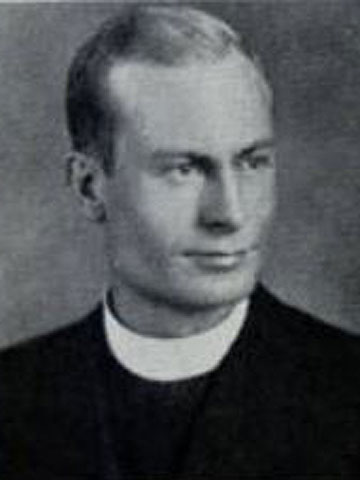
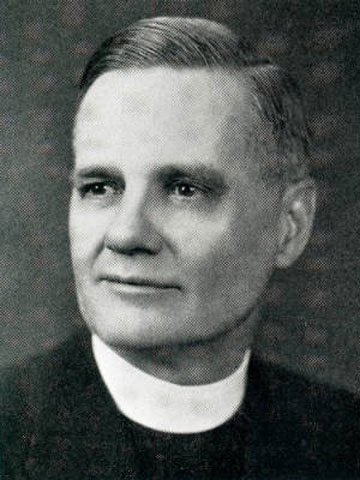
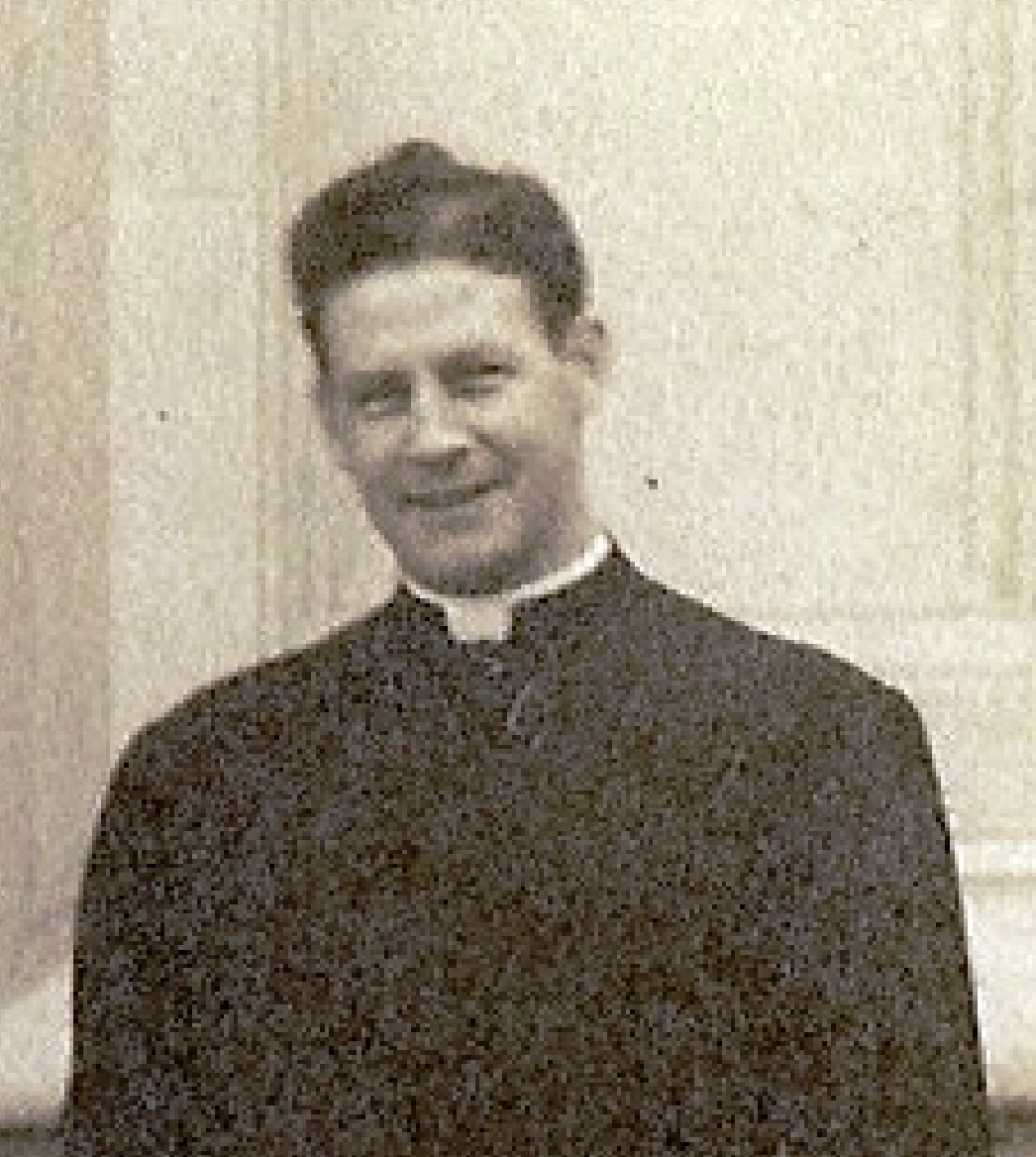
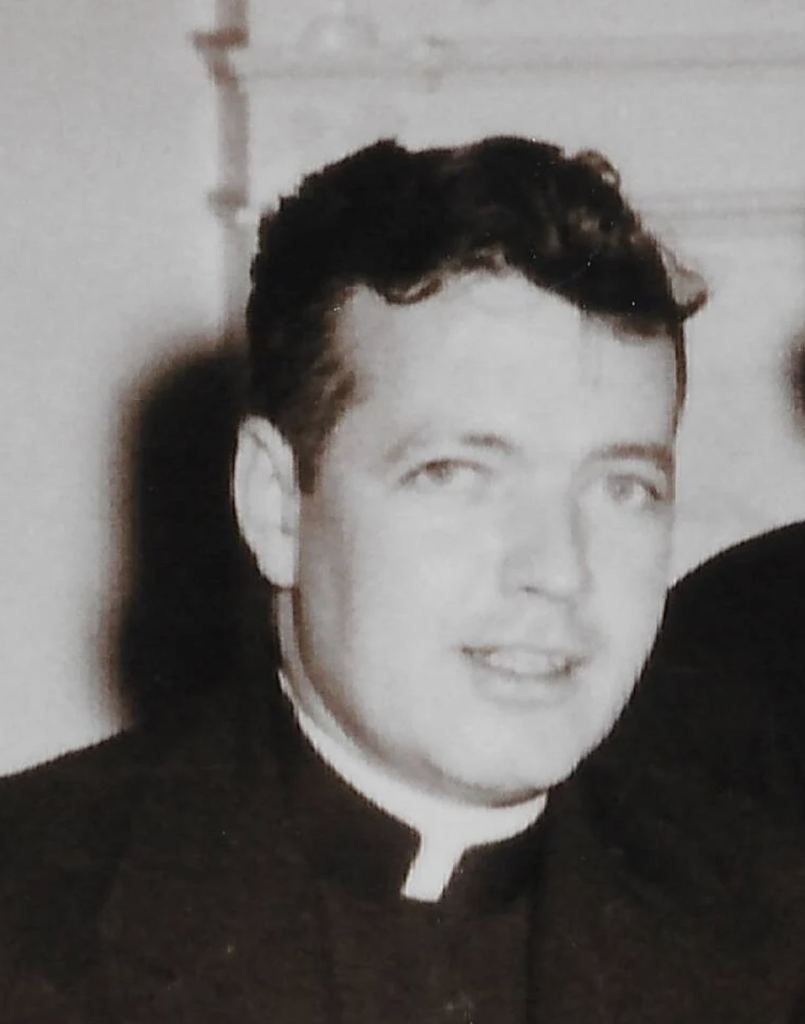
Images of six of the most involved Catholic priests. Not shown: Fr. Edmund Burke, Fr. John O’Flaherty, Fr. Widman, and Fr. George Bischofberger, Jesuits from SLU, and Fr. Canning from Maryland, all of whom assisted with or witnessed the rites.
On March 9, Fr. Raymond Bishop, a Jesuit priest and professor at St. Louis University, visited Roland for the first time. One of Roland’s cousins was a student of Fr. Bishop’s and brought the case to his attention.
After consulting University President Fr. Reinert, Fr. Bishop was permitted to go pray with and bless Roland. He brought a relic of St. Margaret Mary, which he pinned to the bed.
During his visit he witnessed the bed shaking, which ceased when he sprinkled holy water. He also witnessed Roland shriek in pain as red zig-zag scratches appeared on his abdomen.
He returned two days later, for two consecutive nights, with Fr. William S. Bowdern, a fellow Jesuit priest at the University. They found that the relic had been thrown off the bed; they replaced it with a new one they had brought. While praying a novena, they witnessed:
- A cross-shaped mark appear on Roland’s arm, which remained for about 45 minutes
- A bottle of holy water being thrown across the room
- A bookcase, dressing table, and stool changing locations or knocked over on their own
- The new relic, which had been pinned to the back of Roland’s pillow, moving to the foot of the bed
The exorcism is approved
The phenomena prompted the priests to seek permission to conduct an exorcism. With physical illness and mental disturbance professionally ruled out, Archbishop Joseph E. Ritter approved the rite, putting Fr. Bowdern in charge. Fr. Bishop and Walter Halloran, a young Jesuit priest-in-training at the University, would assist. Fr. Van Rob and several others would later join in St. Loius, plus two other priests in Maryland.
The Exorcism Begins
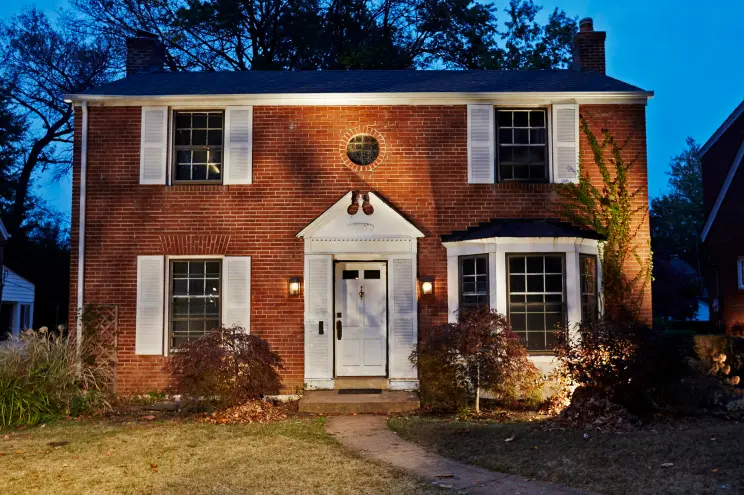
The exorcism officially began the night of March 16.
Here is the actual account of that first evening, from Fr. Bishop’s diary (abbreviated, with minor grammar corrections). “R” refers to Roland:
“Frs. Bowdern and Bishop and Mr. Halloran arrived at the home between 10:15 and 10:30 PM. Shortly after 10:30 R was sent to bed and Fr. Bowdern helped him examine his conscience and make an act of contrition. Then Fr. Bishop, Mr. Halloran, R’s mother and the uncle and aunt of R were called into the bedroom in order to prepare for the exorcism. All those present knelt down besides R’s bed and acts of Faith, Hope, Love and Contrition were recited together (R said the prayers too).
Next Fr. Bowdern in surplice and stole began the prayers of exorcism. R was awake and the overhead light in the bedroom was kept burning. R kept his hands outside the bed covers. On the first “Praecipio” there was immediate action. Three large parallel bars were scratched on the boy’s stomach… [then] scratches parallel on the boy’s legs, thighs, stomach, back, chest, face and throat. Those scratches were sharply painful, and the marks raised up above the surface of the skin, similar to a very slight laceration and caused a small amount of blood to flow.
The most distinct markings on the body were the picture of the devil on R’s right leg and the word “HELL” imprinted on R’s chest in such a way that R could look down upon his chest and read the letters plainly. The imprint of the devil and “HELL” appeared at the repetition of the “Praecipio” demanding the evil spirit to identify himself. Marks were made on the boy’s body more than twenty-five different times during the evening, each mark causing the boy to double up with pain.
When the prayers to St. Michael began, R began sparring. The family had not seen such violent reaction as was shown on this night and the following. From 12:00 midnight on, it was necessary to hold R during his fights with the spirit. Two men were necessary to pin him down to the bed. R shouted threats of violence at them and spit at his opponents many times. He used a strong arm whenever he could free himself, and his blows were beyond the ordinary strength of the boy.
As the night wore on, it became almost impossible to keep R from falling into the fitful and apparent slumber during which he went through violent gyrations. It was about 5:00 AM of the 17th before the tantrums began to moderate themselves. When R was awakened from this more moderate state, he was so limp and weak that he could not sit up or hold his eyes open.
About 7:30 AM, R began a natural sleep and continued quite peacefully until 1:00 PM of the 17th. Then he ate an ordinary meal and participated in a game of monopoly.”
And that was just Day One.
The exorcism would take 34 days in total, with stressful sessions most nights. During the day, until the final days of the exorcism, Roland was “normal”; he slept, ate, behaved normally, and could not recall most of what transpired the night before.
The next four days the rite continued at the uncle’s home. By March 21 the family was exhausted, and the mother became ill. Roland’s father flew in from Maryland, and the team decided Roland should be admitted to the Alexian Brother’s Hospital to continue the exorcism.
The Hospital and Rectory
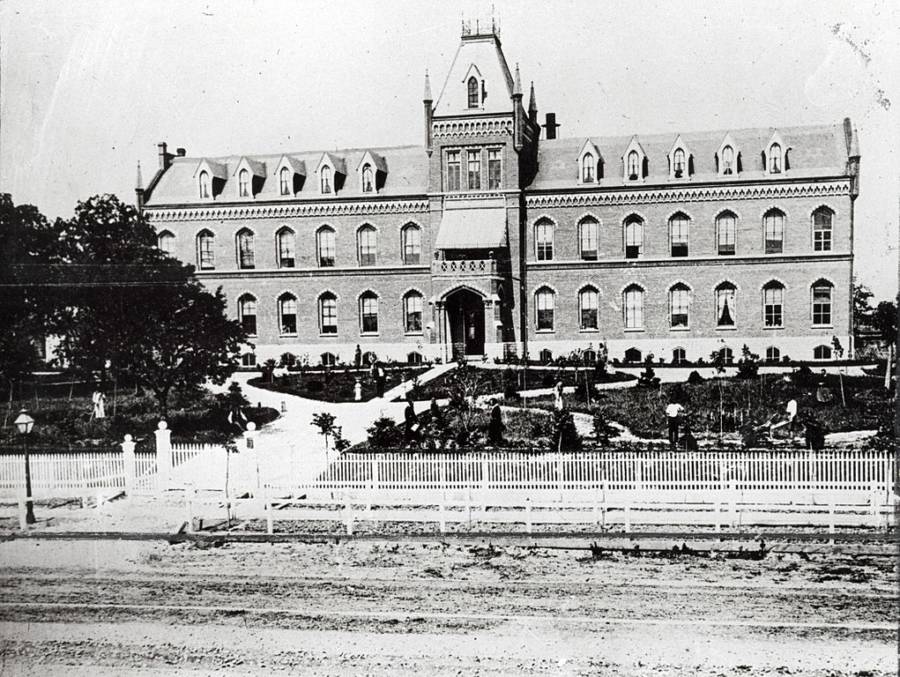
The Alexian Brother’s Hospital was a psychiatric institution run by an order of Catholic brothers (the Alexians). It was known for its discretion, often treating priests for alcoholism. The hospital agreed to prepare a room far away from the rest of the patients, where yelling and banging wouldn’t be disruptive. However, Roland would only stay at the hospital one night upon checking in, before returning in April for the final days of the exorcism.
On March 21, Roland and his father moved into the room, with extreme reluctance from Roland. He couldn’t relax in the cold, jail-like environment. No manifestations occurred that night, and Roland’s father stayed with him through the night, reading prayers to help him sleep.
After returning to his uncle’s home the next day, arrangements were made for him to stay at the University’s church rectory, where Frs. Bishop, Bowdern, and others lived. A second bed was added to Roland’s room for his father, who stayed with him.
The intensity of each session varied. Over the course of the exorcism, several unexplained (or possession-attributed) phenomena were recorded in Fr. Bishop’s diary. These included:
- Super-human strength: He exhibited extreme physical strength not possible for his stature, often requiring three men to restrain him.
- Fluency in previously unknown languages: He spoke in languages he had never studied, including Latin
- Knowledge of private information: He made accurate statements about people and events that had never been shared with him.
- New talents and abilities: For example, one night he sang “The Blue Danube” accurately and in a pitch-perfect voice, despite having no talent for singing.
- Unexplained physical phenomena: Marks would appear suddenly on his body, including scratches, letters, words, and even images.
- Aversion to holy objects: He would rage, spit, curse, and react violently to holy water and religious objects during exorcisms.
- Environmental phenomena: Furniture and objects moved on their own during the sessions, and the room would at times become cold or emit an overwhelming odor.
The Sacraments
The priests convinced Roland’s family to allow him to be baptized into the Catholic Church, and to receive Holy Communion. Roland agreed and willingly completed the necessary Catechesis over the next several days.
Baptism Day
On the day of Roland’s scheduled baptism, April 1, his “spells” began in the morning. He broke things, kicked, punched, and even tried to take control of the car on the way to the church. The car radio stopped working while he raged, then resumed when he calmed down. It took five adults to get him to the baptismal font, and by the end of the ritual everyone was worn out. But it was successful, “with a generous amount of baptismal water” poured over him.
First Communion Day
The next day, his First Communion, was equally challenging. He shattered a lamp and vase and, seeming to alternate between rage and compliance, would prepare to take communion then spit it out and scream. After two hours of attempts, the priests prayed a rosary and were eventually able to get Roland to swallow a host. On the drive back, Roland had to be seated between two men in the back seat to prevent him from grabbing the steering wheel. At the rectory, he began tearing pages out of the ritual book while the letters “GO” and “X” appeared on his thigh.
Respite in Maryland
When Roland eventually “came to,” he was trembling, fearful, and exhausted by the whole ordeal. He begged to be taken home, even just for a few days. The next day his father took him home to Maryland, accompanied by Fr. Bowdern and Fr. Van Rob, another Jesuit from the rectory.
The exorcisms continued in Maryland, aided by local priests Fr. Hughes and Fr. Canning. The cursing, violence, claw marks, and other phenomena continued to manifest each night, but reports from the priests suggest the sessions were less intense than the “sacrament” days in St. Louis. On the final night in Maryland, the priests successfully sedated him, and he rested peacefully for a while.
Deliverance
On April 8, Roland returned to St. Louis, this time back to the Alexian Brothers Hospital. He was initially moved into a private living room to make the transition more comfortable.
Brother Emmet befriended him, helped him become at ease in the hospital setting. Roland studied Latin and other subjects and helped out around the hospital. During the day he seemed to enjoy the company of the brothers.
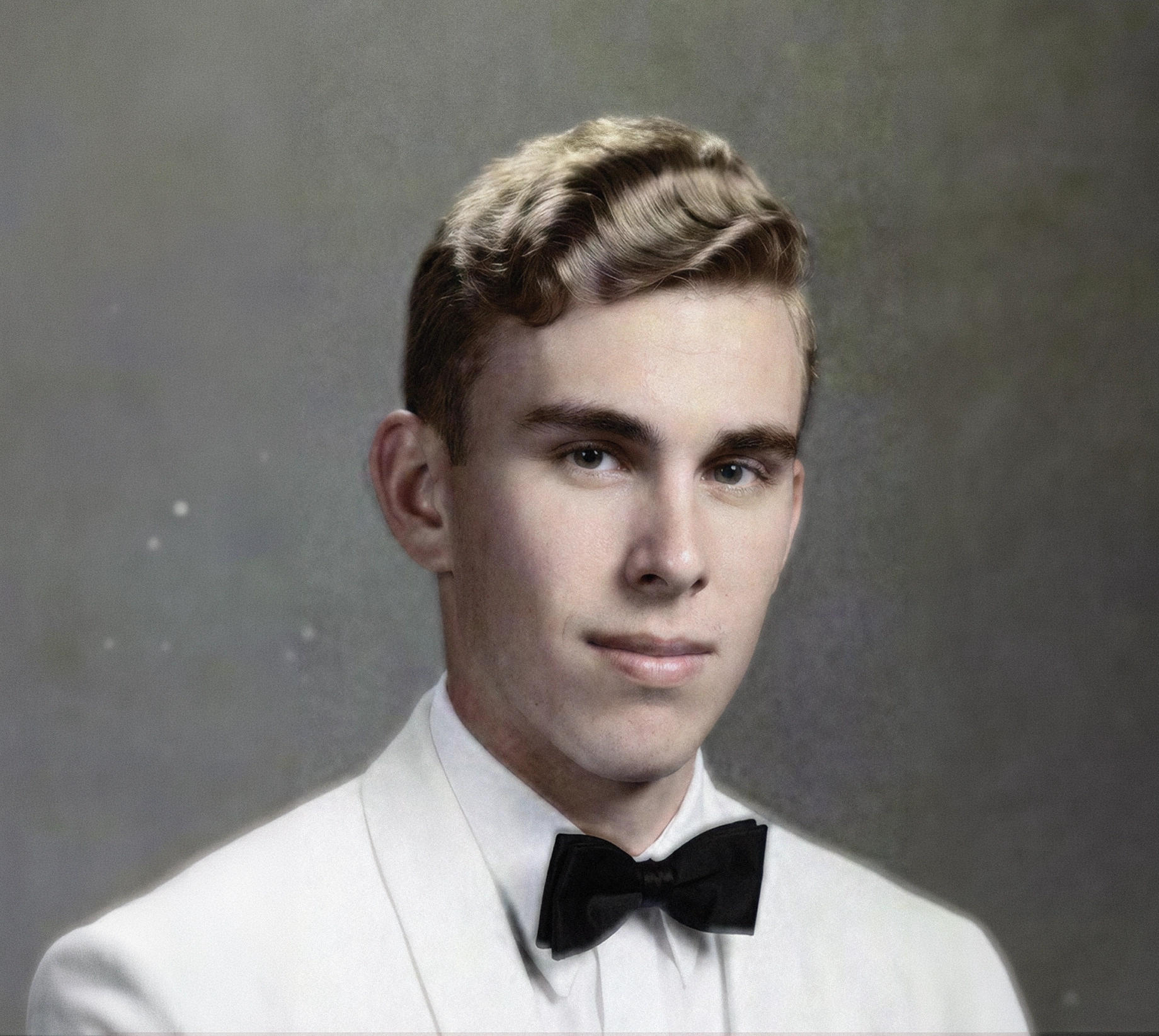
Image: Roland Doe, taken a few years after the exorcism
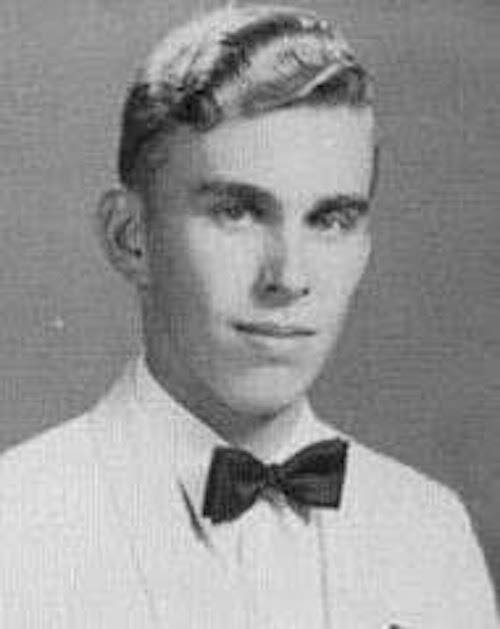
But at night, Roland’s affliction manifested during the exorcism prayers. The diary details horrific displays too lewd to describe here, as well as paranormal activity, nonsensical writing, violence, and words etching themselves into Roland’s skin.
Then came Holy Week.
On April 14, Holy Thursday, the Brothers purchased a statue of Our Lady of Fatima for the middle of the hospital corridor. They dedicated it to Roland’s deliverance and began a special community petition for Roland. Their prayers continued around the clock during the Triduum, with Brothers taking shifts. On Holy Saturday, April 15, one of the Brothers purchased a statue of St. Michael for Roland’s room.
No manifestations occurred at all these three days. It was the longest stretch of peace for Roland since January 15.
On April 17, Easter Sunday, the “spells” returned with a vengeance. Early in the morning, Roland assaulted the Brother on nurse duty and had seizure-like episodes preventing him from going to Mass. At night he became violent, threatened to kill the Brothers, tried to obtain a knife, and required multiple men to escort him to his room. He crashed around midnight.
The next day, April 18, 1949, was the worst. Incidentally, it’s the longest entry in Fr. Bishop’s diary.
Roland woke up kicking and screaming, rushed at the attending Brother, and smashed a bottle of holy water against the wall. He eventually appeared to come out of the “spell” and asked for food, but when it was brought, he threw the glass of milk, shattering it, and tried to attack those nearby. The same scene repeated at dinner, ending with a plate of chipped beef broken on the floor and two men restraining Roland.
Here are portions of the account from that night, from Fr. Bishop’s diary, with minor edits for grammar. This excerpt begins around 9:30 PM, after about two hours of normalcy. Roland had finished an impromptu Latin lesson, listened eagerly to the story of Our Lady of Fatima, and was playfully balancing a book of poetry on his head.
R went into a spell and immediately the book was thrown into the corner of the room. From 9:30 until 10:00 PM, R was in and out of seizures. During his quiet moments R’s reverence seemed truly remarkable. Whenever he became normal he reverted to prayer. He stated several times that he saw more light each time he went into a spell.
At 10:45 PM, the most striking event of the evening occurred. R was in a seizure, but lay calm. In clear, commanding tones, and with dignity, a voice broke into the prayers. The following is an accurate quotation: “Satan! Satan! I am Saint Michael, and I command you, Satan, and the other evil spirits to leave the body in the name of Dominus, immediately. Now! NOW! NOW!”
Then there were the most violent contortions of the entire period of exorcism. Fr. O’Flaherty and the Brothers were weary and sore physically from the exertion. After seven or eight minutes of violence R, in a tone of complete relief said, “He’s gone!”
That was it.
The phenomena stopped and never returned. In the immediate aftermath, Roland described seeing a brilliant light and a figure he described as St. Michael, who commanded the spirit to leave.
Roland’s Later Life
Roland went on to live a quiet, ordinary life afterward. A few years after the exorcism he visited the brothers with his parents, who described him as a “fine young man.” He married, had children, and never spoke publicly about the events.
Multiple investigators tracked him down (including author Thomas B. Allen), and described him as a normal, stable adult who was reluctant to revisit the story.
The Exorcist: The Movie
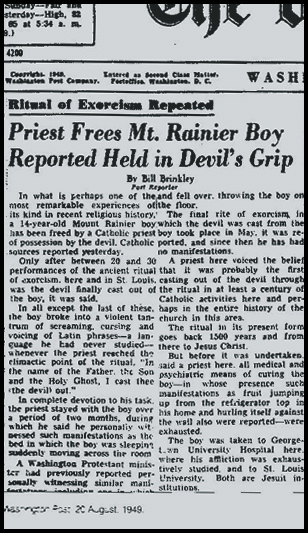
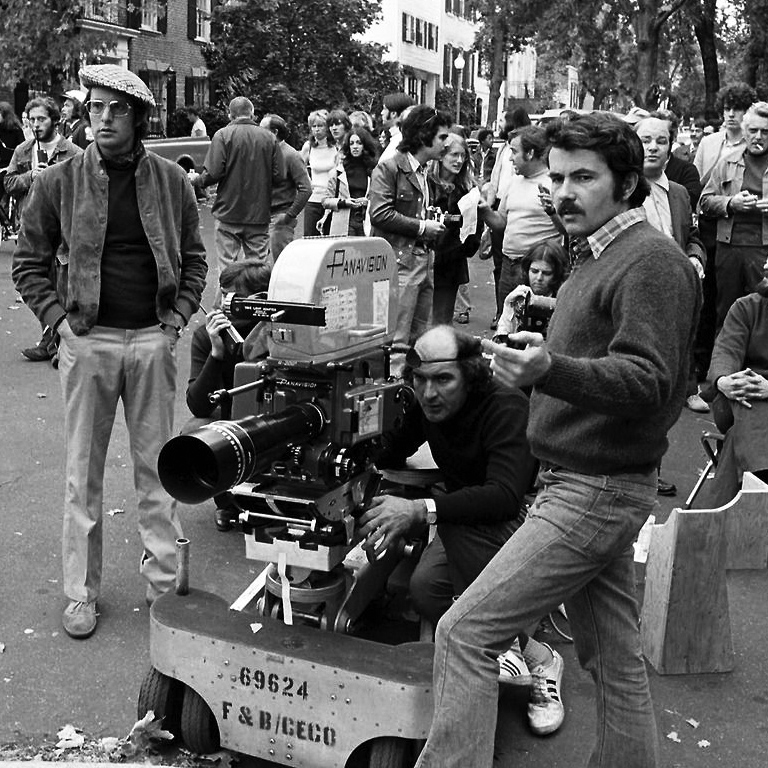
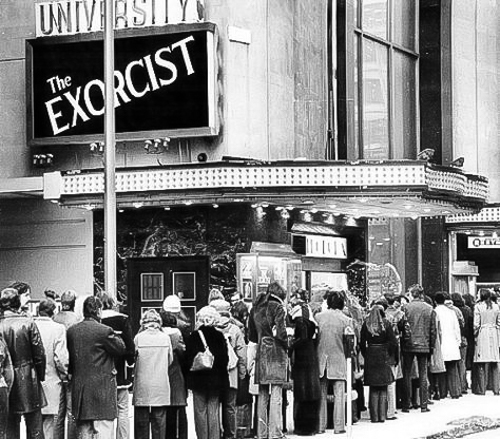
Images of the Washington Post article that inspired the book, the filming of the movie, and the movie premiere at a local theatre.
The Book
In the early 1960s, a young Georgetown University student named William Peter Blatty first heard about the Roland Doe case from a priest on campus. Intrigued, Blatty tracked down a 1949 Washington Post article confirming the event (pictured above) as well as a copy of Fr. Raymond Bishop’s diary (available to read below). The detailed, firsthand account of the boy’s ordeal left a deep impression on him.
Years later, while wrestling with his own faith, Blatty began writing a novel. He drew heavily from the 1949 case but fictionalized it, changing the victim to a 12-year-old girl named Regan, giving the girl a single, well-to-do mother instead of married middle-class parents, moving the setting to Georgetown, and amplifying the horror elements for more drama. The book, The Exorcist (published in 1971), became a massive bestseller.
The Movie
In 1973 William Friedkin adapted the book into the famous movie of the same name, starring Linda Blair, Ellen Burstyn, and Max von Sydow, shocked audiences and became one of the most culturally influential horror movies of all time.
Blatty always maintained that while the novel and film were works of fiction, they were inspired by real events. In interviews, he emphasized that the 1949 diary inspired the core idea: that an innocent child could be subjected to incomprehensible evil and ultimately freed.
The Hollywood Case vs the Real Case
| The Movie | Roland Doe | |
| Periods of normalcy | Once Regan became “fully possessed,” the movie depicted her as being continuously afflicted. She did not behave normally for long stretches as in the real case. | Roland’s possession typically only manifested at night; he’d be back to “himself” most days (albeit exhausted or nervous). He also had moments of lucidity during the exorcism sessions; his affliction wasn’t continuous. |
| Progression of intensity | Regan’s possession became worse over the course of the exorcism, in a linear progression, before peaking and ending. | Roland’s possession was most severe at the beginning and end, with waves of respite and intensity throughout. |
| Head spinning, eye rolling, levitation | Regan’s head did a 360-turn, her eyes rolled back into her head, and she levitated. | Roland was NOT reported to rotate his head, roll his eyes back, or levitate. |
| Marks on the body | Regan’s body was made to look zombie-like; completely discolored and scarred, with marks all over. | Marks appeared on Roland’s body, but his face and body did NOT become grotesque and discolored. |
| Death of priests | Three priests in the movie are killed during the sessions. | No one connected to Roland’s case was killed, including any priests. |
| Strength and violence | Regan repeatedly assaulted the priests and others while demonstrating extreme strength, eventually being restrained to the bed. | Roland also repeatedly assaulted the priests and attendees, at one point breaking a priest’s nose, and also exhibited strength beyond his capabilities. However, he was NOT put in restraints. |
| Aversion to holy objects | Regan became agitated and even showed physical changes to crucifixes, holy water, and other religious objects. | Roland also had an aversion to these objects, but only during periods of manifestation, and complained of a religious metal “burning” his skin. |
| Final deliverance | The priest invites the “demon” to possess him instead, then kills himself. This released Regan from possession. | Roland’s affliction ended abruptly after a prayer, after a month of persistent prayer and exorcism rites. |
| Environment abnormalities | Regan’s furniture moved, her bed shook, objects were flown across the room, and fog and cold air machines were used to make the room appear cold. | Roland’s furniture also moved on its own, his bed shook, and objects were flung around. The room temperature was also reported to drop some nights, and sounds and odors were reported. |
The “Cursed” Production
The Exorcist was not an easy film to make; it took twice as long as planned and went way over budget. The production was mired with so many accidents and deaths that many called it “cursed.” Early on, a fire destroyed the expensive interior set of the MacNeil family home, sparing only Regan’s bedroom, where the exorcism scenes were filmed. A sprinkler malfunction ruined another set.
Ellen Burstyn, Linda Blair, and several crew members suffered serious injuries on set. Jack MacGowran and Vasiliki Maliaros, whose characters died in the movie, died in real life shortly after filming, along with at least five other people related to the production. Director Friedkin brought in priests to bless the set multiple times due to crew unease.
Timeline
- Jan. 15, 1949: The family of a 13-year-old Roland Doe experience noises and strange phenomena at their Maryland home.
- Feb. 26: Roland’s body begins to show scratches and, later, words that appear “branded” into his skin.
- March 7: Roland and his mother move in with relatives in St. Louis.
- March 9: Fr. Raymond Bishop visits Roland for the first time, witnessing his mattress moving and the scratches on his body.
- March 11-12: Fr. William Bowdern joins Bishop to visit Roland, observing his behavior and marks. Approval is sought to perform an exorcism, which Archbishop Joseph Ritter approves.
- March 16: The exorcism begins, at first taking place at Roland’s relatives’ home with Bowdern, Bishop, and Halloran, with sessions most nights for the next 34 days. Typically, manifestations occurred at night and Roland behaved normally during the day.
- March 21: Roland is sent to the Alexian Brothers Hospital, where the exorcism would continue. Roland is very uncomfortable there.
- March 22: Roland is taken back to his relatives’ home. Arrangements are made to move Roland and his father to the rectory the next day.
- March 23: Roland and his father move into a shared room in the college church rectory, where the exorcism continues each evening.
- April 1-3: Roland is baptized at the same rectory, and, on April 3, receives his First Communion, with much physical resistance. The next few days are very violent, with “spells” also occurring in the daytime.
- April 4: Roland returns home with his parents and two priests, at Roland’s urging. He returns to his pattern of normal behavior during the day. The exorcism continues nightly at the family home, aided by two additional priests from Maryland.
- April 9: Roland returns to St. Louis and is moved into the Alexian Brothers Hospital for the second time. The exorcism continues, with manifestations most nights.
- April 14-16: Holy Thursday, Good Friday, and Holy Saturday. No manifestations occurred.
- April 17: Easter Sunday. Manifestations last throughout the day and night.
- April 18: The exorcism ends successfully after the most violent, intense session yet. Roland goes on to live a normal, private life, with no future recurrences.
- Aug. 20, 1949: The Washington Post article that inspired William Peter Blatty’s book is published: “Priest Frees Mt. Rainier Boy Reported Held in Devil’s Grip,” by Bill Brinkley (note that Mt. Rainier was incorrect).
- Dec. 25, 1950: Roland’s parents convert to Catholicism and receive their First Communion on Christmas Day.
- Aug. 19, 1951: Roland, now 16, visits the Brothers with his parents. The brothers report his is a “fine young man.”
- 1971: William Peter Blatty’s book The Exorcist is published.
- 1973: The Exorcist film debuts.
- 1993: Thomas Allen publishes a book based on the case: Possessed
What do you think?
The 1949 case and The Exorcist remain intertwined in popular culture. Many people first encounter the story through the movie, then discover the disturbing case behind it.
With a total of six priests, countless more witnesses, and the abrupt and complete resolution, this is a tough one to brush off. It’s easier to dismiss sensational accounts on YouTube or poorly-documented cases from history, many of which are likely misdiagnosed mental illness, gross exaggerations, or complete fabrications. But with tales of demon possession spanning every culture and era, the pervasiveness of the phenomena raises uncomfortable questions.
What do you think? Is Fr. Bishop’s record reliable? If so, what do you make of it?
JOURNEY ON
For a deeper look at the Roland Doe case and others, here are some great resources. Warning: the resources below are for adults only. They may reference explicit language, inappropriate themes, and frightening subject matter. Reader/viewer discretion is strongly advised.
The Priest’s Diary (PDF of Fr. Raymond J. Bishop’s actual case diary)
Hear what happened straight from the source in this publicly-available document. Warning: though the diary is a clinical account written in a professional tone, it contains quotes with explicit language and descriptions of bodily functions, inappropriate remarks, injuries, and disturbing events.
The Exorcism of Roland Doe (Discovery/HBO Max, trailer)
Excellent, well-researched documentary with new evidence, interviews, and archival material on the real case. It balances historical events with Hollywood inspiration and is widely regarded as one of the best. View the trailer here and watch the full-length documentary on Discovery Plus, HBO, or other streaming platforms. Warning: trailer contains flashing lights, frightening imagery, and disturbing subject matter.
Possessed: The True Story of an Exorcism by Thomas B. Allen
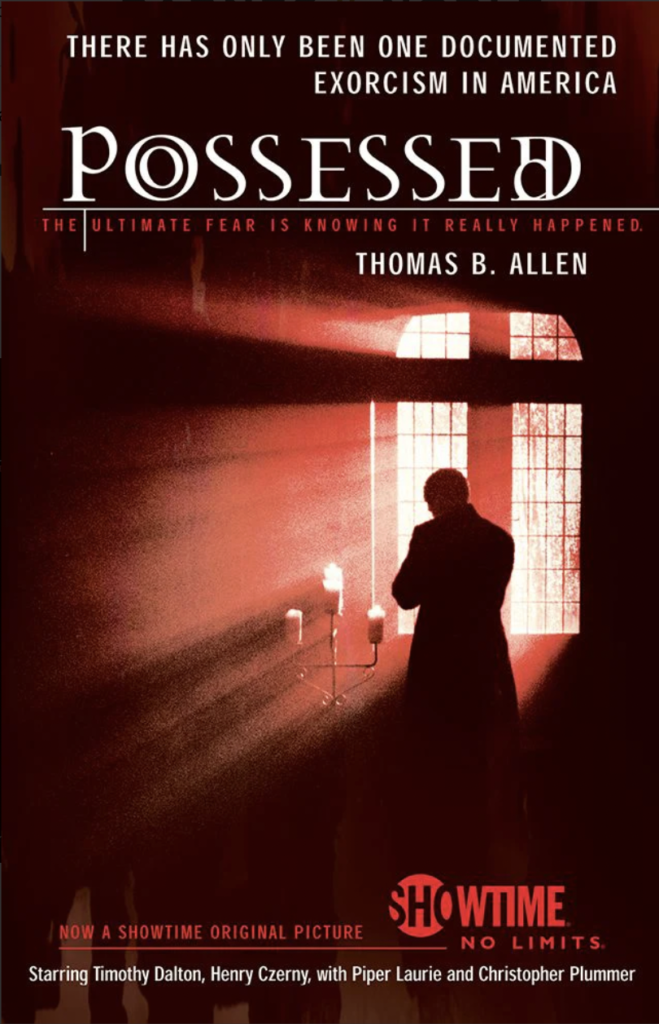
This book describes the true account of Roland Doe’s alleged possession, based on the diary and supplemental interviews with surviving participants, including Fr. Halloran.
Warning: like the diary, the book contains a retelling of the exorcism events, including explicit language and disturbing subject matter.
Where to get it:
Barnes & Noble | Amazon
Not affiliate links. Odyssey has no affiliate partnerships.
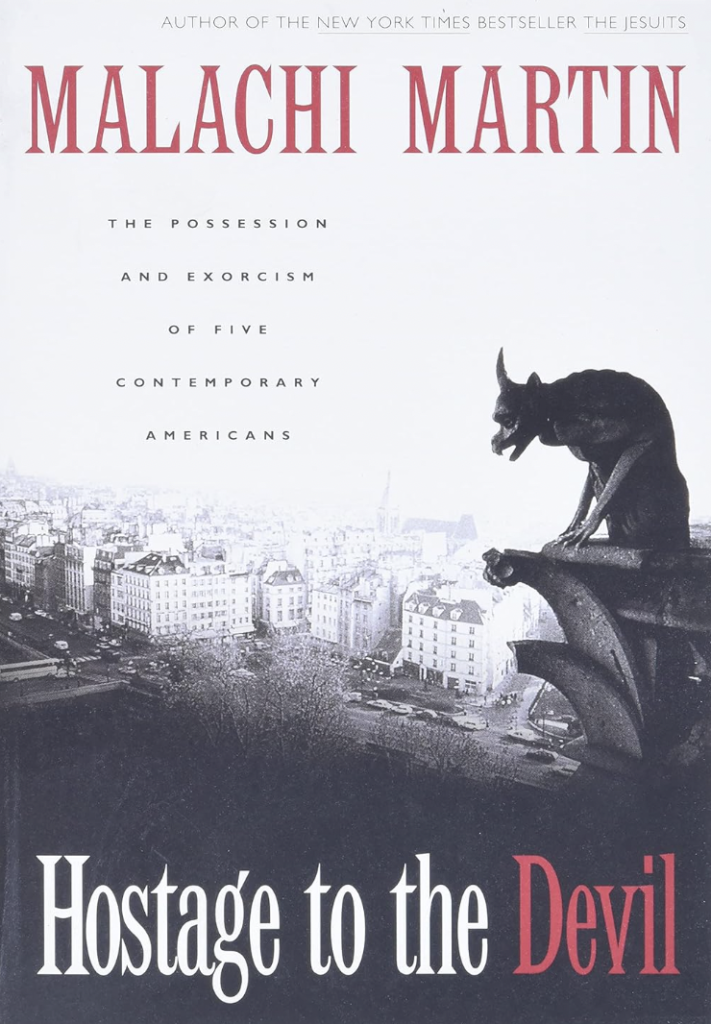
Hostage to the Devil: The Possession and Exorcism of Five Contemporary Americans (Malachi Martin, 1999)
This book is not about Roland Doe’s case. It contains five other true accounts from Malachi Martin, a Jesuit Exorcist.
This book was also adapted into a movie, but the book is a dozen times more detailed and gripping, even for those who aren’t “readers.” Contains explicit language and disturbing subject matter.
Where to get it:
Amazon | Barnes & Noble
Not affiliate links. Odyssey has no affiliate partnerships.
Write the intro to your resources here — what the reader should watch or read next, and why it matters for this story.
The Exorcism of Roland Doe (Discovery/HBO Max, trailer)
Excellent, well-researched documentary with new evidence, interviews, and archival material on the real case. It balances historical events with Hollywood inspiration and is widely regarded as one of the best. View the trailer here and watch the full-length documentary on Discovery Plus, HBO, or other streaming platforms. Warning: trailer contains flashing lights, frightening imagery, and disturbing subject matter.
Watch on YouTube →